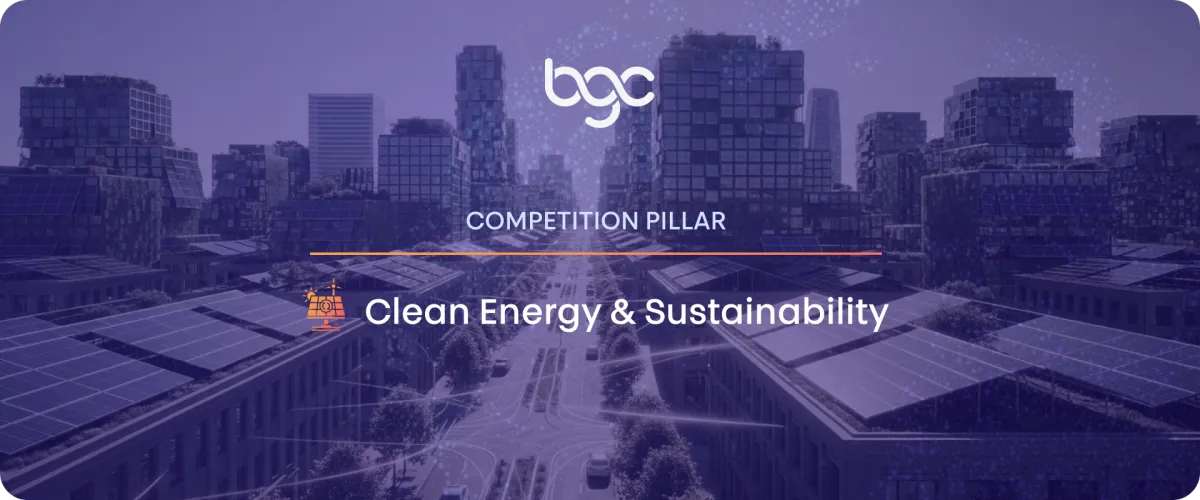
The Solution to Energy Crisis is Already Shining on us Every Day
In just one hour, the sunlight reaching Earth contains enough energy to power the entire planet for a year if it could be fully captured and converted. Yet the world still relies heavily on fossil fuels to keep the lights on, transportation moving, and industries running.
The real question today is no longer whether we need clean energy, it is how quickly we can integrate it into our daily lives?
Around the world, governments, companies, and communities are accelerating the transition to renewable energy. Solar power, wind energy, and smarter energy systems are becoming essential tools in building a more sustainable future.
How the World Is Integrating Clean Energy

Across the globe, the shift toward clean energy is accelerating. Renewable energy now accounts for over 90% of new power capacity added globally, led primarily by solar and wind technologies (World Resources Institute, 2025).
Solar energy, in particular, has grown rapidly, with global solar installed capacity surpassing 1,800 gigawatts, making it one of the largest sources of renewable electricity worldwide (International Renewable Energy Agency, 2025).
At the same time, technological improvements and large-scale manufacturing have significantly reduced the cost of renewable energy. In many regions today, solar power has become one of the most affordable ways to generate electricity, encouraging adoption by governments, businesses, and communities across the globe.
How Cities Are Integrating Clean Energy

Cities around the world are increasingly integrating renewable energy directly into their infrastructure.
Solar panels are now installed on rooftops, parking structures, and building facades, turning everyday surfaces into sources of electricity. Smart energy grids are also being deployed to monitor electricity flows and balance supply and demand across urban networks.
Battery storage technologies allow cities to store renewable energy when production is high and use it later when demand increases. At the same time, localized microgrids are being developed to improve resilience, enabling communities to maintain electricity during outages or emergencies.
Together, these technologies are helping cities build energy systems that are cleaner, more efficient, and more resilient.
Technology Driving Sustainability
Technology is playing a major role in the global shift toward cleaner energy and more sustainable systems.
Artificial intelligence and advanced data tools are helping energy providers better predict electricity demand, manage power networks, and improve the efficiency of renewable energy sources like solar and wind. At the same time, smart buildings are using sensors and automation to reduce energy use by adjusting lighting, heating, and cooling based on real needs.
Transportation is evolving as well. Electric vehicles, smarter charging infrastructure, and connected mobility systems are helping reduce emissions while improving how people move within cities.
Together, these innovations are helping build cleaner, more efficient energy systems and shaping a more sustainable future for communities around the world.
Preparing Our Children Today to Solve the Challenges of Tomorrow

Many children and young people learn about global challenges like energy and sustainability mainly through textbooks. While this helps build awareness, it rarely gives them the chance to truly explore these issues, understand how they affect everyday life, or try to solve them in practical ways.
Through initiatives like the Brilliant Global Smart Cities Competition, students move beyond theory. In the Clean Energy & Sustainability pillar/chapter, they identify real-world energy challenges, analyze how current systems work, and design and build their own solutions using sensors, data, and smart technologies.
Experiences like this help students think critically, experiment with ideas, and understand how technology can play a role in solving real problems.
Because the engineers that will solve tomorrow’s challenges are already sitting in today’s classrooms.
Sources
U.S. Department of Energy – Solar Energy Basics (https://www.energy.gov/eere/solar/solar-energy-basics)
International Energy Agency (IEA) – Empowering Urban Energy Transitions (https://www.iea.org/reports/empowering-urban-energy-transitions)
International Renewable Energy Agency (IRENA) – Renewable Capacity Statistics (https://www.irena.org/Publications)
World Resources Institute (WRI) – State of Clean Energy (https://www.wri.org/insights/state-clean-energy-charted)
U.S. Energy Information Administration (EIA) – Annual Energy Outlook (https://www.eia.gov/outlooks/aeo/)